




With its beautiful bright green colour and numerous health benefits, matcha has become a must-have around the world. However, with such a wide variety of products available, it is not always easy to know which matcha to choose. Colour, taste, texture, origin... these are all essential criteria for finding a good matcha.
In this guide, discover how to recognise a good matcha, what its advantages are over other teas, and how to find a true premium matcha at the best value for money.
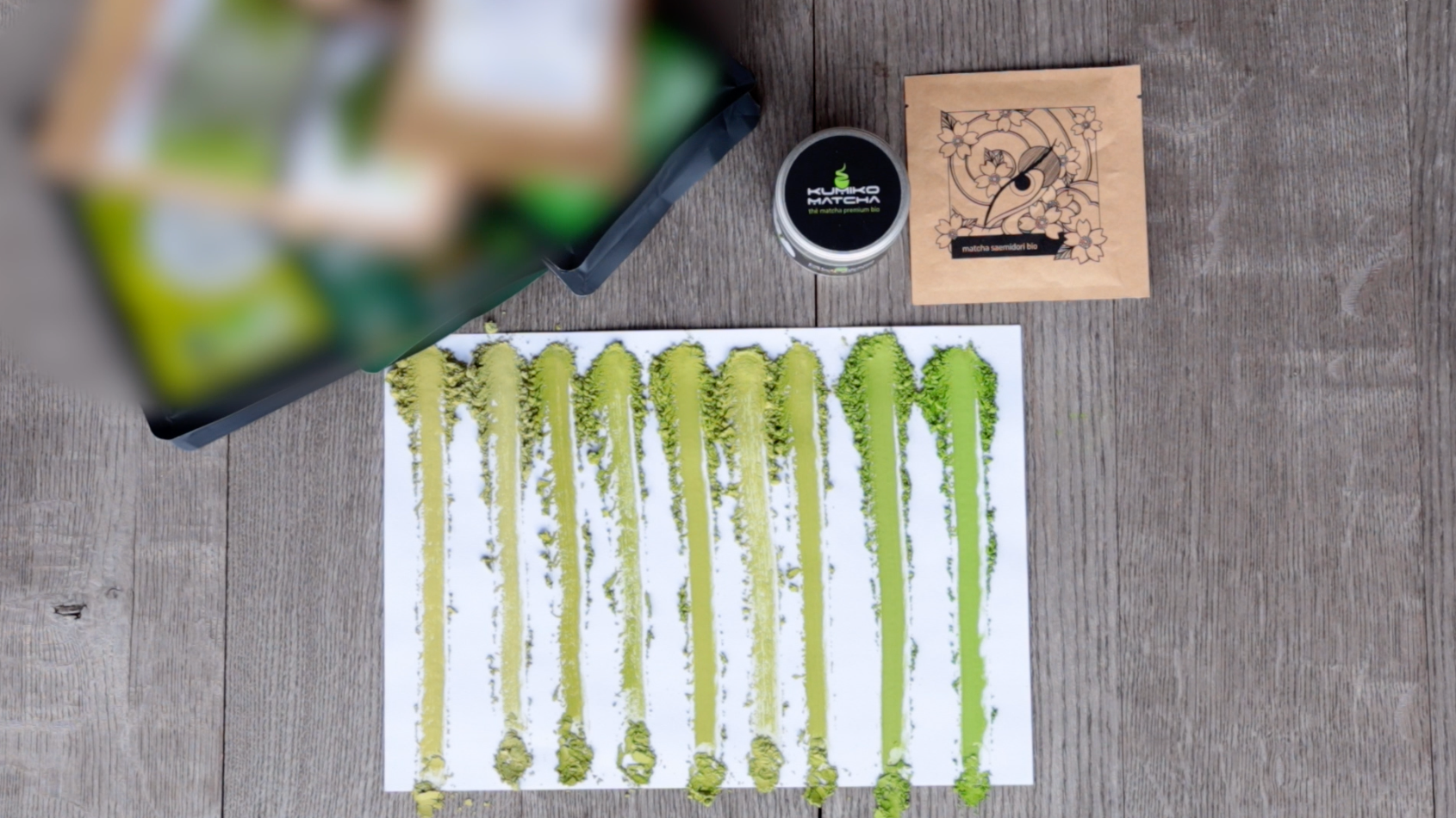
How to recognise high-quality matcha? The basics
There are several simple criteria to look for that will help you identify high-quality matcha and avoid low-end products.
How to recognise a good matcha?
A good matcha is distinguished by the following criteria:
- Origin: favor Japan, the birthplace of matcha, for an authentic product rich in flavours.
- Production method: good matcha is made from shade-grown leaves that are harvested and then slowly stone-ground, ensuring superior fineness and quality.
- Colour: a vibrant, vivid green, symbolizing freshness and nutritional richness.
- Texture: very fine powder, lump-free, revealing a careful traditional grinding process.
- Taste: balanced harmony between sweetness, umami, and slight bitterness, without any acrid notes.
- Smell: fresh, vegetal, and slightly sweet scent, with no trace of dampness or mold.
These criteria allow you to identify a good matcha at first glance and when tasting it, for an authentic and high-quality experience. We will detail these criteria in the rest of the article.
Which matcha should you choose according to your needs?
The choice depends on your usage and budget:
-
Premium ceremonial grade: for pure tasting, with an intense colour, delicate taste, and higher price.
-
Culinary matcha: for recipes (lattes, pastries), slightly more bitter, less vibrant colour, and more affordable price.
-
Organic matcha: for a product grown without pesticides, often considered the best matcha for health.
To choose the right matcha for you, start with a small quantity of high-quality matcha before buying in larger quantities.
The colour of green tea powder: a key indicator
The colour of matcha is one of the first clues to identifying good matcha:
-
Bright, vibrant green: a sign of tea rich in chlorophyll and made from young, shaded leaves.
-
Emerald green or jade: features of premium first harvest matcha.
-
Dull, yellow, or khaki color: often associated with lower-quality powder or intended for culinary grade use.
A beautiful matcha colour reflects not only freshness, but also the quality of cultivation, harvesting, and grinding. A bright green colour is generally synonymous with high-end matcha.
To recognise a good matcha, colour is therefore as important a criterion as taste or smell.
By smell: revealing aromas
A good matcha has a distinct aroma:
-
Fresh and vegetal: reminiscent of tender grass or young tea leaves.
-
Slightly sweet: a sign of a well-preserved product.
-
Sometimes fruity or milky: a sign of aromatic complexity.
Smells to avoid: damp, musty, marked bitterness. These indicate poor quality or poorly stored matcha.
Trust your nose: a pleasant, pure aroma is a clear sign of authenticity and freshness.
A good matcha in the mouth: flavour and texture
When tasting, a good matcha should offer:
-
Balanced umami: a round, deep flavour without excessive bitterness.
-
Natural sweetness: delicious even without added sugar.
-
Fine, velvety texture: no noticeable grains, a sign of traditional grinding.
-
Aromatic persistence: taste that lingers in the mouth after a sip.
A high-quality matcha stands out for its harmony between taste, texture, and colour.
Traditional matcha vs industrial matcha
The distinction between traditional and industrial matcha is fundamental. The former is grown and ground using traditional methods, often on small family farms.
Traditional matcha has benefits notable in terms of taste, colour, and nutritional profile. The attention paid to each stage of its production is reflected in its superior quality.
By choosing traditional matcha, you are also supporting sustainable and ethical agricultural practices, which is an important consideration for conscious enthusiasts who are aware of the impact of their consumption.
Packaging, more than just protection
Packaging plays an essential role in preserving the freshness and colour of your matcha tea. Search for:
-
Airtight, opaque packaging that protects matcha from air and light.
-
Packaging that facilitates proper storage, ideally in a cool place away from heat.
Good packaging ensures that you enjoy authentic matcha with all its flavors intact. It also influences the price of matcha, as effective packaging requires materials that are suitable for preserving the product.
Why choose organic matcha?
Choosing a good matcha often means choosing an organic option, which provides environmentally friendly and healthy cultivation methods.
Benefits of organic matcha:
-
Grown without pesticides or chemical fertilizers, for a purer product.
-
Well-nourished soils promote better growth of tea plants.
-
Often richer and more natural flavor profile.
-
Reliable labels and certifications (JAS in Japan, Euroleaf in Europe) ensuring quality.
-
Optimal preservation of matcha's natural colour, with a bright and intense matcha colour.
Organic matcha is the preferred choice for those who are searching for a good matcha that is both healthy and environmentally friendly.
Prepare and enjoy your matcha tea during the tasting according to the rules of the art
L' art of preparing matcha requires a few special utensils such as the Chasen (bamboo whisk) and the chawan (matcha bowl). These tools are used to create a fine, even froth, which is essential for an authentic experience.
La preparation greatly influences the perception of quality. The right water temperature and dosage, combined with the correct whisking technique, fully reveal the aromas and texture of matcha.
Careful tasting, allowing the tea to cover your entire tongue, will help you appreciate the subtle nuances and depth of the matcha you have chosen.
What are the advantages of good matcha tea over other teas?
Matcha differs from other teas in its unique method of consumption: the entire powdered leaves are ingested, allowing you to fully benefit from all its nutrients, unlike Japanese green teas such as sencha, genmaicha, or houjicha, which are infused or roasted leaves. Its bright colour, a feature of good matcha, is evidence of its high chlorophyll content, linked to a specific shade growing method.
Compared to traditional teas, matcha tea offers:
-
A higher concentration of antioxidants, vitamins, and minerals.
-
A smooth and long-lasting energizing effect thanks to the combination of caffeine and L-theanine.
-
A balanced flavor profile between natural sweetness and umami flavours, appreciated by discerning enthusiasts.
These qualities make matcha a preferred choice for those who are searching for a drink that is both healthy and flavoursome.
Where to buy real, good-quality matcha
To be sure you are buying good matcha, here are some essential tips:
-
Choose specialists recognised for their expertise and commitment to quality.
-
Be wary of prices that are too low, as they may hide lower-quality products.
-
Avoid buying large quantities without testing the quality first.
-
Look for specialized online shops with positive customer reviews and a good reputation.
At Kumiko Matcha, we offer only superior quality teas, with a complete range to suit all enthusiasts: premium, hyper-premium, and ultra-premium products, rigorously selected for their flavour, vibrant colour, and freshness.
Choosing a high-quality matcha tea: a summary of the criteria to consider
To help you identify a good matcha, here is a summary of the main criteria to look for, based on colour, smell, taste, and other essential elements.
| Appearance | What to search for |
|---|---|
| Visual | A bright, vivid emerald green colour |
| Smell | A fresh and slightly sweet scent, without any musty or stale odors. |
| Taste and texture | Notable umami, sweetness, no excessive bitterness, fine and silky texture |
| Provenance | Preference for Japan, pay attention to the production method |
| Packaging and storage | Sealed packaging, store in a cool, dark place. |
| Certification | Organic label preferred, a sign of environmentally friendly farming practices. |
Matcha green tea is more than just a drink; it is a type of tea that offers a rich experience, appealing to all of our senses. By taking the time to search and choose a quality matcha, you will discover the vast aromatic range that this Japanese green tea has to offer.
To learn more about matcha, its benefits for your body and mind, or its flavor profile, discover now our dedicated items on our blog:
- Is it good to drink matcha every day?
- What quantity of matcha tea per day?
- Does matcha curb your appetite?
- What does matcha taste like?
- How to drink matcha tea?
- What is the difference between green tea and matcha tea?
- How can you better appreciate matcha tea?
- What is the most effective tea for weight loss?
- How to froth matcha tea?
FAQ your questions about good quality matcha
Why can the colour of matcha vary?
The colour of matcha depends on several factors, including the variety of tea plant, the cultivation method (particularly shading), the harvest period, and the grinding method. For example, matcha from the first spring harvest will have a more intense colour and superior quality.
Is price a good indicator for choosing a good matcha?
Price can give a general indication, but it does not always guarantee quality. Some very affordable matchas can be of good quality, while very expensive products do not always correspond to optimal taste or colour. It is important to consider several criteria such as colour, taste, smell, and origin.
How should matcha be stored to preserve its colour and aroma?
To preserve the freshness, colour, and aroma of matcha, it is recommended to store it in an airtight container, away from light, air, and heat. After opening, it is best to store it in the refrigerator to slow down oxidation and preserve its quality over time.
What is the difference between real matcha and simple green tea powder?
True matcha is made from shade-grown tea leaves that are harvested by hand and then slowly stone-ground to preserve their fine texture and aromas. Simple green tea powder, on the other hand, can be produced industrially from lower-quality leaves and does not have the same taste features or vibrant colour.
To better understand the world of matcha and its benefits, check out our dedicated item.


