




Choosing an effective tea for weight loss is not always easy: with so many varieties available, it is difficult to know which one offers real results. However, some teas stand out for their slimming properties, particularly thanks to their high content of antioxidants, caffeine, or fibers.
Among them, one tea is attracting increasing attention for its weight loss effects: matcha tea, a unique Japanese tea. In this article, we guide you in understanding which teas are most effective for weight loss, why they affect the metabolism, and how matcha tea could well be your figure's most powerful ally.
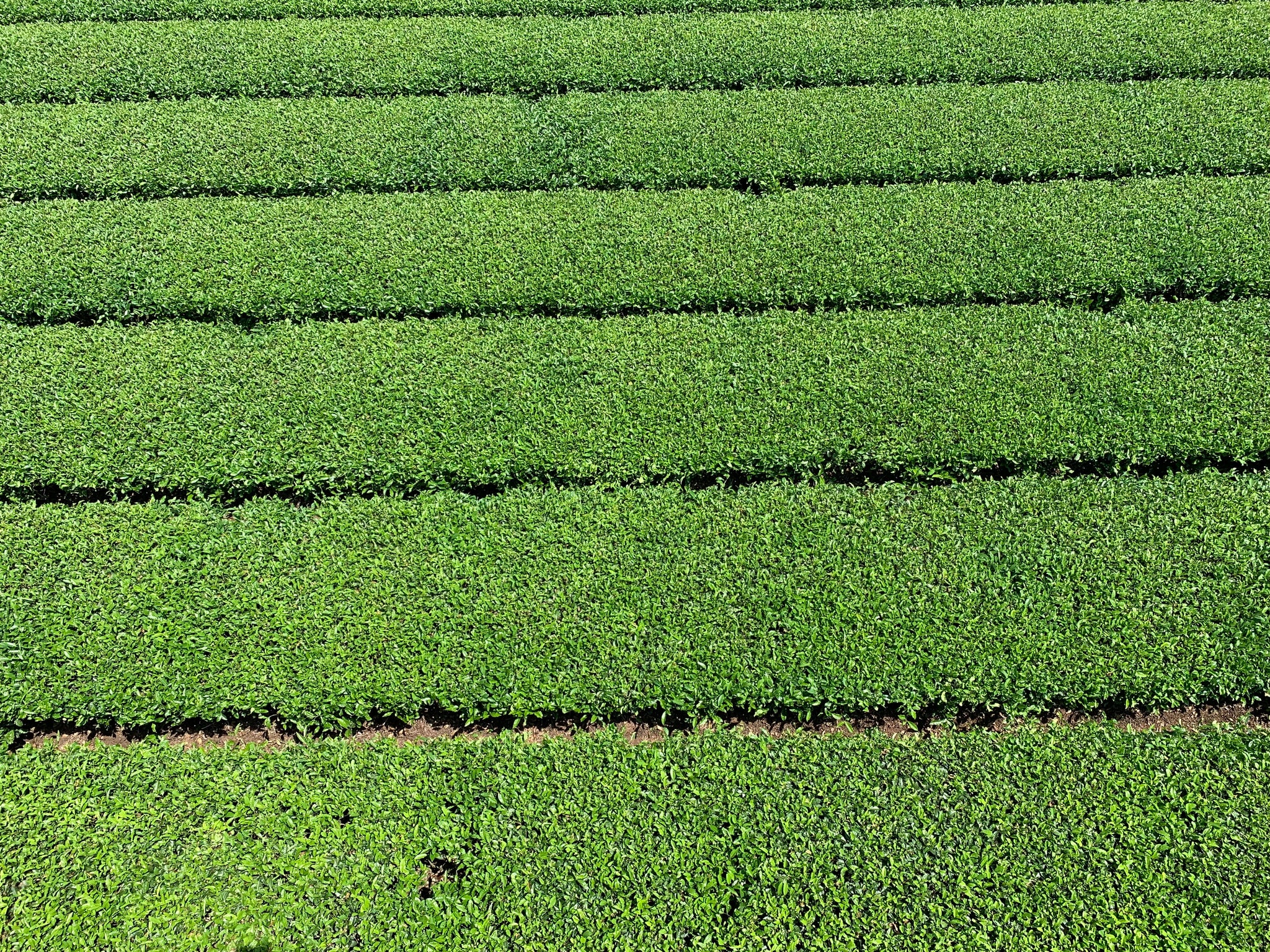
Why look for an effective tea to lose weight?
Drinking an effective tea for weight loss can be a great boost to your weight loss efforts. While not a miracle solution, certain varieties of tea offer benefits that can really support your daily efforts. Many people are looking for a detox tea, but not all teas are created equal.
Here's why more and more people are turning to tea as a slimming aid:
-
Metabolism boost: certain teas, rich in caffeine or catechins, help burn more calories even at rest.
-
Natural diuretic effect: by promoting water elimination, tea can help reduce water retention.
-
Action on fats: compounds found in certain teas, such as EGCG, promote fat oxidation.
-
Feeling of fullness: certain herbal teas give you a feeling of fullness, limiting cravings.
-
A healthy alternative to sugary drinks: replacing sodas or industrial juices with tea limits calorie intake.
Incorporating the right tea into your routine can contribute to a healthier lifestyle, while helping you achieve your weight loss goals more easily.
Which tea is most effective for weight loss?
When looking for an effective tea for weight loss, it is important to compare the different varieties available. Not all teas are equal when it comes to weight loss: some have specific properties that affect metabolism, digestion, or fat burning.
Here is an overview of the main types of tea to consider when trying to lose weight:
Green tea
Green tea is one of the most popular teas when it comes to weight loss. It contains catechins, including EGCG, which are known to promote fat oxidation and thermogenesis.
Advantages:
-
Rich in antioxidants
-
Boosts metabolism
-
Promotes fat burning
Limitations:
-
Efficacy varies depending on the variety
-
Low in fiber (classic infusion)
- Often sold in pouches, a format with a lower concentration of active ingredients than loose or powdered tea.
To learn more, discover now our dedicated item: Does green tea help you lose weight?
Black tea
Black tea is more oxidized than green tea, but it retains a good level of caffeine, making it a good natural stimulant.
Advantages:
-
Contains caffeine, which increases energy expenditure.
-
Helps burn fat
Limitations:
-
Less rich in catechins than green tea or matcha
-
Lighter slimming effect
Oolong tea
A semi-fermented tea, oolong is somewhere between green tea and black tea. It is recognised for helping to metabolise lipids.
Advantages:
-
Helps digest fats
-
May improve lipid metabolism
Limitations:
-
More subtle effects
-
Less scientifically studied than other teas
White tea
Less processed than other teas, white tea also contains antioxidants that may have an effect on the formation of fat cells.
Advantages:
-
Rich in polyphenols
-
Preventive antioxidant effect
Limitations:
-
Less caffeine → weaker stimulating effect
-
Slimming effects poorly documented
Pu-erh tea
This fermented tea is best known for its beneficial effects on digestion and cholesterol.
Advantages:
-
Helps regulate fats after meals
-
Promotes good digestion
Limitations:
-
-
Indirect slimming effects
-
Less rich in antioxidants than other teas
-
Summary table: which tea is most effective for weight loss?
| Type of tea | Main slimming benefits | Limitations |
|---|---|---|
| Green tea | Stimulates metabolism, rich in catechins (EGCG), antioxidants | Low fiber content, variable effectiveness depending on variety |
| Black tea | Good caffeine content, promotes fat burning | Lower in catechins |
| Oolong tea | Helps metabolize lipids, supports digestion | More subtle effects, less studied |
| White tea | Rich in polyphenols, preventive effect on fat formation | Low in caffeine, indirect slimming effects |
| Pu-erh tea | Helps digestion, promotes fat elimination after meals | Lower antioxidant concentration |
| Matcha tea | Rich in catechins (EGCG), caffeine, fiber, powerful antioxidants, satiating effect | May be too stimulating in excess, requires good quality |
Errors to avoid with slimming tea
Drinking tea to lose weight is not enough: certain errors can ruin its benefits.
-
Adding sugar or sweeteners, which increase calories and slow down weight loss.
-
Drinking too much tea, especially because of the caffeine, can cause nervousness and insomnia. Limit yourself to 3–4 cups per day.
-
Neglecting a balanced diet: tea is not a miracle solution; it must accompany a healthy lifestyle.
-
Incorrectly preparing your tea reduces the effectiveness of antioxidants. Follow the recommended steeping times and temperatures.
-
Falling into the trap of miracle products such as "Matcha Slim" scams, which are often ineffective and expensive.
By avoiding these common pitfalls, you maximize the effectiveness of your slimming tea. Among all the options available, one tea stands out in particular for its richness in active ingredients and its versatility: matcha tea.
Matcha tea, the most complete tea to accompany weight loss
After comparing the different varieties of tea known for their slimming effects, matcha tea stands out clearly. This Japanese slimming tea is unique, consumed in powder form, and focuses on key elements to support sustainable and natural weight loss. Without going into the detailed mechanisms (discussed in a dedicated item), here's why it's our #1 recommendation in this selection of effective teas for weight loss.
How to easily integrate it into a weight loss routine
Matcha is very easy to incorporate into your daily routine. It can be consumed:
-
As a hot drink in the morning, to replace coffee,
-
In the form of matcha latte,
-
Or added to certain recipes (matcha tea cinnamon rolls, organic premium matcha Gua Bao, matcha tea energy balls, etc.).
The key is to aim for regular consumption (once or twice a day), without overdoing it.
Why we recommend matcha for weight loss
Of all the teas examined, matcha tea is the only one that offers so many benefits relevant to weight loss:
-
It stimulates the metabolism thanks to its natural caffeine content.
-
It promotes fat burning thanks to its catechins (EGCG),
-
And it provides a feeling of satiety thanks to its fibers, which are absent in traditional infusions.
It is this unique combination that makes it, in our opinion, the most complete tea for weight loss.
Matcha reviews: what those who have tried it think
Many people who have incorporated matcha into their weight loss routine share very positive reviews. Here are some frequent returns from satisfied consumers:
-
Sarah: "I've replaced my morning coffee with matcha; I feel lighter and more focused."
-
David: "Fewer cravings, more energy, and visible results after just a few weeks."
-
Emma: "I like being able to use it in my recipes too, it's super convenient and delicious."
These testimonials show why matcha is becoming increasingly popular as part of a wellbeing and weight management approach.
Comparison table: why choose matcha in your diet?
| Slimming benefit | Matcha tea ✅ | Other teas ⚠️ |
|---|---|---|
| Catechins (EGCG) | Very high | Variable |
| Caffeine (stimulating) | Medium to high | Weaker (except black tea) |
| Satiety effect (fiber) | Present | Absent |
| General antioxidants | Highly focused | Less focused |
| Versatility of effects | Metabolism + energy + satiety | Isolated effect (often a single lever) |
To discover now how matcha affects weight loss, its metabolic benefits, and the best ways to consume it, check out our dedicated item:
Matcha tea for weight loss: a good idea?
FAQ – Effective tea for weight loss: what you need to know
Are there any side effects to drinking tea for weight loss?
Yes, some teas that are effective for weight loss can cause side effects if consumed in excess. The most common side effects are related to caffeine: nervousness, sleep disturbances, palpitations, or digestive problems. It is recommended not to exceed 3 to 4 cups per day and to avoid consumption at the end of the day. People who are sensitive to caffeine or undergoing medical treatment should seek advice from a healthcare professional.
Can different types of tea be combined for maximum effectiveness?
Yes, alternating between several slimming teas can be a good strategy to benefit from their complementary effects. For example:
-
Matcha in the morning, to boost your metabolism thanks to its high content of caffeine and antioxidants.
-
Oolong tea at lunchtime, to aid fat digestion,
-
And a cup of white tea in the afternoon, for its smoother antioxidant properties.
This approach allows you to enjoy the benefits of each tea while limiting excess caffeine. There's no need to drink cup after cup all day long: consistency and quality are more important than quantity.
When is the best time of day to drink slimming tea for it to be effective?
To maximize the effects of an effective slimming tea, it is advisable to consume it at the right time:
-
In the morning to activate your metabolism as soon as you wake up (ideally before or during breakfast),
-
30 minutes before a meal to promote satiety and limit the quantity consumed,
-
In the middle of the afternoon to avoid cravings.
Avoid drinking it late at night because of the caffeine.
What is the difference between a slimming tea and an herbal tea?
Although herbal teas are often presented as "detox" or draining solutions, they do not contain theine and therefore have no stimulating effect on the metabolism. An effective tea for weight loss, such as matcha or green tea, acts directly on fat burning thanks to its caffeine and antioxidant content. Herbal tea, which is smoother, can accompany a wellbeing routine, but does not replace the metabolic effects of tea.
To learn more about the health benefits of matcha, feel free to check out our collection :
- Is it good to drink matcha every day?
- What quantity of matcha tea per day?
- Does matcha curb your appetite?
- What does matcha taste like?
- What is the difference between green tea and matcha tea?
- How to prepare and drink matcha tea?
- How can you better appreciate matcha?
- How to froth matcha tea?
- How can you recognise a good matcha tea?


