


- Antioxidants neutralize free radicals and protect cells from aging.
- They support immunity, eye health, and reduce the risk of chronic diseases.
- Prioritize: berries, nuts, spices, leafy greens, dark chocolate, and green tea.
- Limit: processed foods, fried foods, added sugars, and processed meats.
- Matcha ranks at the top: up to 137 times more antioxidants than steeped green tea (ORAC 1685).


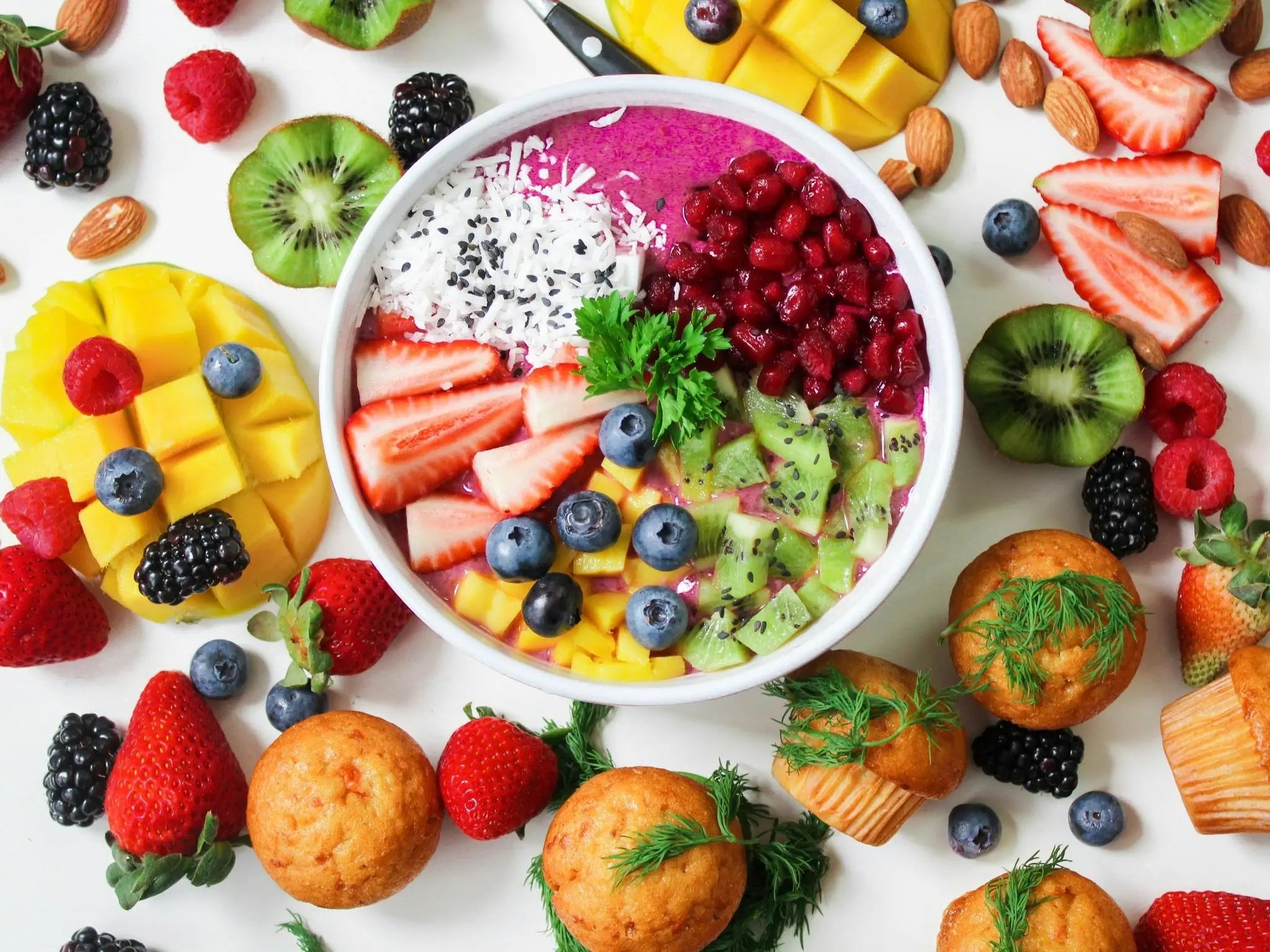
Foods rich in antioxidants, essential for preventing premature aging, are indispensable allies for our health. They hide everywhere in our kitchens: from flavorful berries to crunchy seeds, not to mention fresh vegetables and exotic spices. But be careful, not all antioxidant foods are created equal! Some are even considered superfoods, while others struggle to find their place in our diets.
So, ready to load up on these little wonders to boost your well-being and your glow? Follow the guide — we're taking you on a journey through the fascinating world of antioxidant foods!
What Are the Benefits of Antioxidants?
Antioxidants offer numerous health benefits by acting as defenders against free radicals in the body.
These compounds neutralize free radicals, helping to reduce oxidative stress and prevent cellular damage. Free radicals are unstable molecules produced naturally in the body as a result of normal metabolic processes, but their accumulation can lead to oxidative stress. Antioxidants help neutralize these free radicals, thereby reducing oxidative stress and helping to prevent cellular damage.
Certain antioxidants, such as vitamin C, play an important role in strengthening the immune system by promoting the production and activity of immune cells.
Moreover, regular antioxidant consumption is associated with a reduced risk of chronic diseases such as heart disease, type 2 diabetes, and certain types of cancer. Antioxidants help protect the body's cells and tissues from damage that could contribute to these conditions.
Antioxidants like lutein and zeaxanthin are beneficial for eye health, protecting against light-related damage and reducing the risk of age-related eye diseases such as macular degeneration.
Polyphenols, found in fruits, vegetables, and tea, have anti-inflammatory properties. They can help reduce inflammation in the body, a risk factor for many diseases.
Finally, while antioxidants cannot completely stop the aging process, they can help slow down the cellular damage caused by premature aging.

The Foods Richest in Antioxidants
Now that you know the beneficial effects of antioxidants, which foods should you eat to enjoy their benefits every day?
Below is a non-exhaustive list of foods to include in your diet to load up on antioxidants:
-
Berries: Blueberries, strawberries, raspberries, and blackberries are rich in anthocyanins, antioxidant compounds.
-
Nuts: Walnuts, especially Grenoble walnuts, almonds, and hazelnuts are rich in vitamin E and polyphenols.
-
Spices: Turmeric, cinnamon, and ginger are spices that contain antioxidant compounds.
-
Leafy green vegetables: Spinach, kale, Swiss chard, and broccoli are rich in vitamins C and E as well as other antioxidants.
-
Green tea: Green tea is an excellent source of catechins, a type of antioxidant.
-
Dark chocolate: Dark chocolate is rich in flavonoids, which have antioxidant properties. Make sure to choose chocolate with a high cocoa content.
-
Cruciferous vegetables: Broccoli, cauliflower, and cabbage are rich in antioxidant compounds, including glucosinolates.
-
Peppers: Especially red bell peppers, which are rich in vitamin C and other antioxidants.
-
Tomatoes: Tomatoes contain lycopene, a powerful antioxidant.
-
Seeds: Sunflower, flax, and chia seeds are good sources of antioxidants, especially vitamin E.
Which Oxidizing Foods Should You Avoid?
Certain foods and eating habits can contribute to the production of free radicals in the body, which can have harmful consequences on health.
Foods high in saturated fats, trans fats, and added sugars, such as processed meals and fried foods, as well as processed meats, are associated with increased free radical production. Similarly, cooking at excessively high temperatures or smoking can also contribute to this phenomenon.
Diets that favor processed foods, with their additives and preservatives, can intensify oxidative stress. To preserve your health, it is recommended to maintain balance by opting for a healthy diet centered on fruits and vegetables and rich in whole grains, while limiting processed food consumption and avoiding behaviors such as smoking.
Pour aller plus loin : A Review of Scientific Research on Matcha Tea →: Welcome to our selection of relevant articles and features covering scientific and medical research on tea (green tea, black tea, white tea), with a particular focus on Japanese matcha green tea.


Garantie qualité 30 jours
Nous sommes tellement convaincus que vous allez aimer le Matcha KUMIKO que nous offrons une Garantie satisfait ou remboursé de 30 jours. Retournez simplement votre boîte non ouverte sous 30 jours pour un remboursement intégral.
Trouvez votre matcha idéal 🍵
Parcourez notre sélection et trouvez ce qu'il vous faut.
Matcha: A Food Extremely Rich in Antioxidants
We've seen that green tea contains catechins, an antioxidant compound from the polyphenol family.
However, there is one specific tea offering an even higher concentration of catechins... matcha!
Indeed, matcha contains epigallocatechin gallate (EGCG), a powerful antioxidant belonging to the catechin family. Matcha's catechin content is much higher because the tea leaves are fully ground and consumed, rather than simply steeped. This unique feature gives matcha up to 137x more catechins than steeped green tea!
In addition, the antioxidant levels of foods can be measured using the ORAC unit (oxygen radical absorbance capacity). While most measured superfoods don't exceed a maximum score of 250, matcha reaches a score of 1685!


