


- An anti-inflammatory diet (berries, leafy greens, nuts, fatty fish) reduces the risk of chronic diseases.
- Matcha has its place thanks to its EGCG catechins, which curb inflammatory molecules.
- Its polyphenols and chlorophyll complete this soothing action on the body.
- L-theanine reduces stress, which itself worsens inflammation.
- Made from whole ground leaves, matcha is far more concentrated in catechins than brewed green tea.


The Benefits and Anti-Inflammatory Effects of Matcha Tea
Matcha has won the hearts of many tea lovers with its unique flavor and preparation method. But did you know that beyond this, matcha also has anti-inflammatory properties? Yes, you heard that right! This little Japanese elixir doesn't just add a zen touch to your latte; it may also help you fight inflammation in the body.
In this article, we'll explore how this green treasure can improve your health and why it deserves a prime spot in your daily routine.
What Are the Benefits of Matcha Tea? What Is Its Anti-Inflammatory Action?
Anti-inflammatory foods have become increasingly popular in recent years due to their ability to reduce inflammation in the body. Inflammation is often seen as a contributing factor to many chronic diseases such as heart disease, diabetes, and arthritis. By including anti-inflammatory foods in your diet, you can help reduce the risk of these diseases and improve your overall health.
These foods are often rich in antioxidants, omega-3 fatty acids, and vitamins, which help fight inflammation and protect cells from damage. Foods like berries, leafy greens, nuts, and fatty fish are examples of anti-inflammatory foods to incorporate into your diet. By adopting a diet rich in anti-inflammatory foods, you can not only improve your health but also experience increased energy and well-being.

Green Tea: A Beverage to Prioritize Against Inflammation
In addition to the list of foods we've shared, another beverage deserves a place in your anti-inflammatory diet: green tea.
Indeed, green tea contains catechins, an antioxidant compound from the polyphenol family. Polyphenols, found in fruits, vegetables, and tea, have an anti-inflammatory action. They can help reduce inflammation in the body, a risk factor for many diseases.
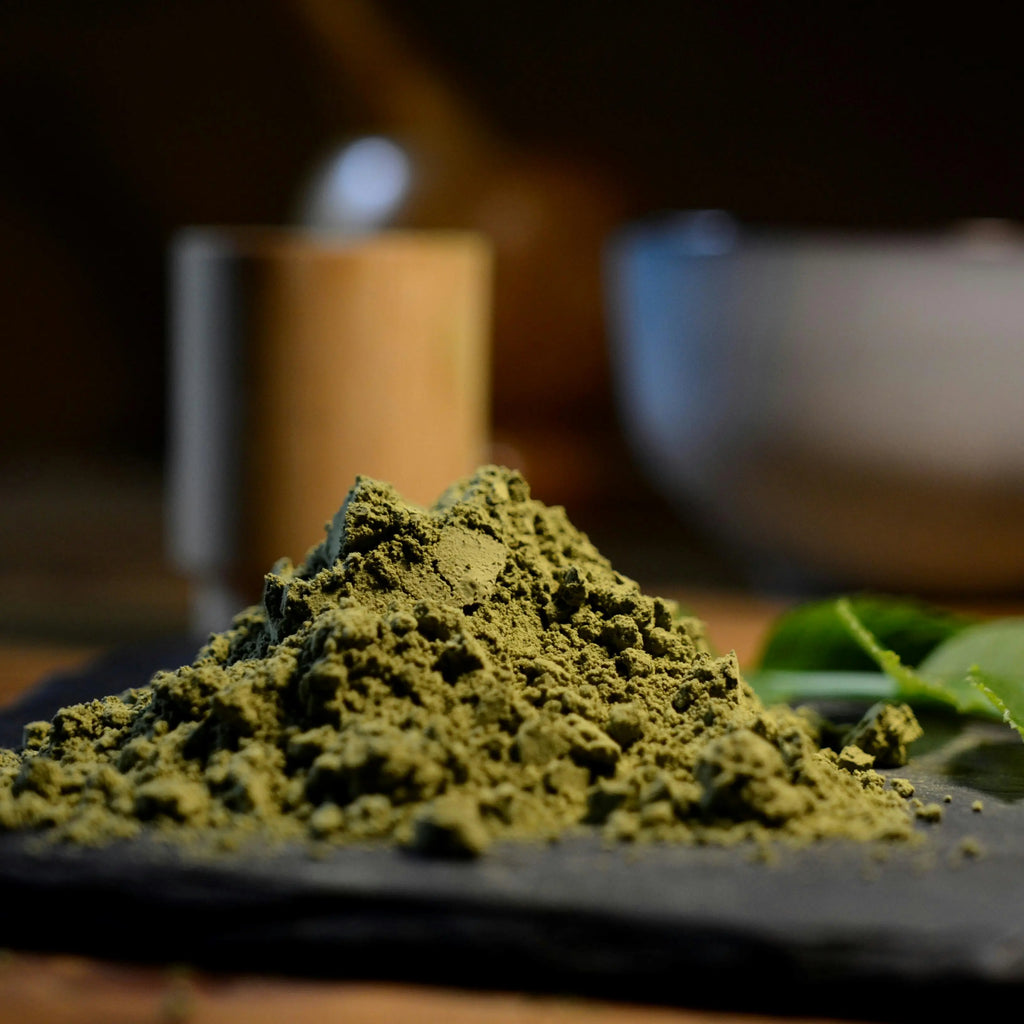
However, one green tea offers an even higher concentration of catechins thanks to its powdered form: matcha!
Learn more: A Review of Scientific Research on Matcha Tea →: Welcome to our selection of relevant articles and features covering scientific and medical research on tea (green tea, black tea, white tea), with a particular focus on Japanese matcha green tea.
Why Is Matcha Tea More Effective Than Green Tea Against Inflammation?
Matcha is a powdered tea: this grinding process allows you to consume the entire tea leaf and benefit from all the nutrients of the dried leaves, including up to 137x more catechins than a brewed green tea! It's therefore easy to understand why matcha as an anti-inflammatory is more effective.
This is also why it's a tea rich in fiber, vitamins, and minerals.
Rich in Catechins, Especially EGCG
Catechins are powerful antioxidants found in matcha tea, in particular epigallocatechin gallate (EGCG). EGCG is recognized for its ability to:
- Reduce levels of inflammatory proteins in the body,
- Inhibit the activity of pro-inflammatory enzymes,
- Block the production of inflammatory cytokines, molecules responsible for cell communication in inflammatory processes.
Anti-Inflammatory Properties of Polyphenols
Polyphenols are a class of compounds found in matcha tea that help regulate inflammation. Polyphenols, especially flavonoids, are capable of:
- Reducing the activation of immune cells such as macrophages (a type of white blood cell) and T cells (lymphocytes), which play a key role in inflammatory responses,
- Inhibiting the production of inflammatory mediators, thereby curbing the excessive inflammatory response.
Regulating Inflammatory Responses Through L-Theanine
L-theanine, an amino acid found in large quantities in matcha, promotes the production of dopamine and serotonin. These neurotransmitters:
- Improve mood and reduce stress,
- Chronic stress is known to worsen inflammation, so reducing stress can temporarily help decrease inflammation.
Moderate Effect on Metabolism and Reduction of Obesity-Related Inflammation
Matcha tea has beneficial effects on metabolism. By activating thermogenesis (heat production) and stimulating fat metabolism, it can help:
- Reduce systemic inflammation associated with metabolic conditions like obesity,
- Improve blood sugar regulation and reduce insulin resistance, two factors often linked to chronic inflammation.
Anti-Inflammatory Action of Chlorophyll
Matcha is particularly rich in chlorophyll, a green pigment with several beneficial effects. It has anti-inflammatory properties, especially against inflammation at the cellular and tissue level, notably in internal organs.
Immunomodulatory Properties
Matcha also has an immunomodulatory effect, meaning it helps regulate the immune system. An immune response that is too strong or unbalanced can cause chronic inflammation, while a response that is too weak can lead to infections.
Matcha helps balance the immune response, which can reduce excessive inflammation while supporting the body's natural defense against infections.


30-Day Quality Guarantee
We are so confident that you will love Matcha KUMIKO that we offer a 30-day money-back guarantee. Simply return your unopened box within 30 days for a full refund.
Find your ideal matcha 🍵
Browse our selection and find exactly what you need.
Synergistic Effect of Nutrients
Matcha's anti-inflammatory effect is not limited to a single compound but results from the synergy between the antioxidants, amino acids, vitamins (such as vitamin C), and minerals (such as magnesium and zinc) found in matcha. This combination helps boost the overall anti-inflammatory effects.
As you've probably gathered: as delicious to sip as it is easy to incorporate into recipes, matcha is a top choice to include as part of an anti-inflammatory diet!
Want to learn more?


