



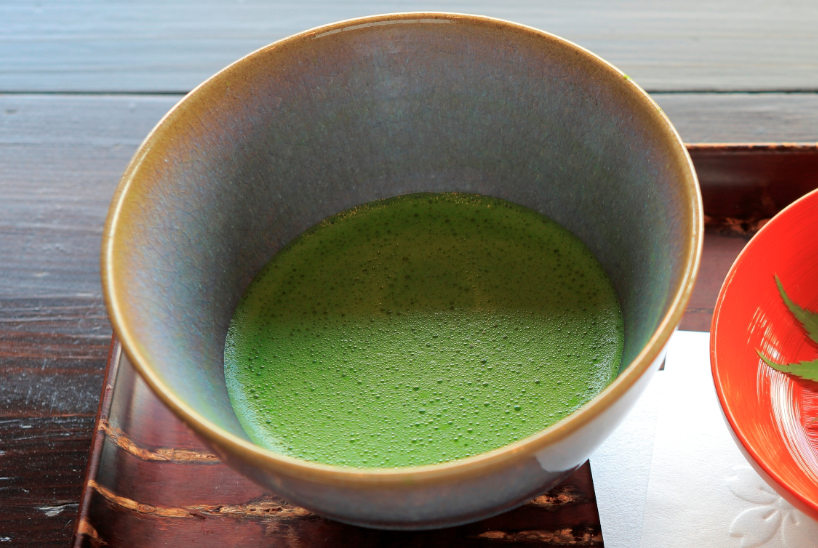
Matcha, a finely ground green tea powder, is a true celebration of Japanese culture. Rich in history, tradition, and flavour, this vibrant green tea transforms every tasting into a unique experience. If you're looking to enhance your matcha experience, you've come to the right place. Let's discover the secrets to fully appreciating this treasure together.
The essentials for enjoying matcha
Before diving into the fascinating world of matcha, it is essential to understand its fundamentals. As with any art form, there are standards to follow in order to optimize the experience.
The quality of matcha
The quest for the perfect matcha begins with its purchase. The quality of the matcha you choose has a direct impact on your experience. Organic and ethical matcha not only guarantees an explosion of flavours but also contributes to sustainable and environmentally friendly production. The purity of the matcha powder, a fine texture that is smooth and bright green, are unmistakable signs of a matcha of superior quality.
The tools needed for preparation
The authenticity of the matcha experience also depends on the tools used to prepare it. The chawan (matcha bowl) provides the space needed to whisk the matcha powder and water effectively. The chasen (bamboo whisk) is designed to incorporate air into the mixture, producing a light and airy froth. As for the chashaku (matcha scoop), it allows you to accurately measure the quantity of matcha, ensuring a consistent taste experience with every cup.
How to prepare matcha?
Preparing matcha is as satisfying as tasting it. Water at the right temperature, between 70 and 80°C, preserves the delicate components of matcha, offering a full and rounded taste experience. The quantity of matcha used—usually 1 to 2 chashaku—can be adjusted to suit your personal taste, but it should always be mixed with approximately 70-80 ml of water to achieve the ideal consistency.
The Japanese ceremony, a matcha ritual for preparing matcha
Matcha is surrounded by a rich tradition that can transform tasting into a deeply spiritual experience.
History and meaning of the Japanese tea ceremony
The tea ceremony, or sadō (茶道), is much more than a method of preparing tea; it is a ritual that encourages reflection, respect, harmony, and purity. Codified by the tea master Sen no Rikyū, whose teachings have been passed down through the centuries, this ceremony is based on the values of tranquility and kindness, making each tasting of matcha a moment of calm and contemplation, in contrast to our often hectic daily lives.
Respecting the traditional steps is essential to honoring the spirit of sadō. The purification of the tools marks the beginning of the ceremony, symbolizing an inner preparation for calm and focus. This is followed by the sifting of the matcha for a lump-free texture and a smooth mixing of the matcha and hot water to awaken the senses.
The Importance of Mindfulness
The matcha ceremony is an invitation to practise mindfulness. Every movement, from the gestures used to prepare the drink to the tasting, allows you to be totally present. It is a unique opportunity to put aside the distractions of everyday life and focus on the here and now, deeply enriching the experience.
How to pair matcha during a tasting?
Tasting matcha is a culinary adventure in itself, capable of awakening your taste buds in unexpected ways.
Enjoy the full flavor of matcha
To fully enjoy every sip of matcha, start by taking a deep breath, focusing on the fresh, vegetal aroma. When tasting, let the matcha roll over your palate, lingering on the different flavor notes that unfold.
This attention to detail enhances the experience and intensifies the flavours.
Recommended food and matcha tea pairings
Matcha pairs beautifully with a wide variety of foods. Sweet treats such as mochi create a perfect balance between the sweetness and subtle bitterness of matcha. White chocolate with matcha is also a great pairing, as the slight bitterness of the matcha is softened by the sweetness of the chocolate.
On the savory side, umami-rich dishes such as smoked tofu or grilled salmon perfectly complement the roundness of matcha.
Flavoured matcha tea
To get the most out of the benefits of matcha, consider the time of day. Consuming it in the first hour of the morning can provide a sustained energy boost. Adding a touch of agave or almond milk can add an extra dimension to the tasting experience, while slightly softening the tea's natural bitterness.
How do you know if you like matcha?
Matcha is an invitation to slow down and savor the moment. To find out if you like it, start with a simple tasting: a smooth matcha latte or a traditional version. Let yourself be carried away by its vegetal notes and subtle umami, and observe how you feel. As with a good wine or specialty coffee, it's through exploration that you'll discover now whether this experience speaks to you. And don't forget, matcha is as much about the experience as it is about the drink.
Loving matcha is a matter of experimentation
Appreciating matcha is an endless journey of taste, rich in discoveries and new experiences.
The world of matcha is vast and diverse. By exploring the differences between high quality grades and culinary grades, you will discover new facets of this fascinating drink. Experimenting with smoothies or matcha lattes can open you up to unexpected taste sensations.
Enjoying matcha more: several ways to taste it
| Key Points to Remember | |
|---|---|
| Matcha Quality | Choose high quality organic matcha. |
| Preparation Tools | The chawan, chasen, and chashaku are essential. |
| Water Temperature | The water must be between 70-80°C. |
| Quantity | Use 1-2 chashaku of matcha for 70-80 ml of water. |
Each cup of matcha invites us to slow down, appreciate the present moment, and extract beauty from simplicity.
Matcha is much more than just a drink; it offers a rich experience with a spiritual and multisensory dimension. Take the time to savor this experience, cup after cup.
Want to extend your journey into the world of matcha? Discover our blog items dedicated to this tea:
- Is it good to drink matcha every day?
- What quantity of matcha tea per day?
- Does matcha curb your appetite?
- What does matcha taste like?
- How to drink matcha tea?
- What is the difference between green tea and matcha tea?
- How to froth matcha tea?
- How can you recognise a good matcha tea?
- What is the most effective tea for weight loss?


