


Exercising, quitting smoking, or limiting alcohol consumption are common recommendations for preventing cardiovascular disease.
But did you know that a healthy diet rich in good fats, fiber, and antioxidants can contribute to good heart health?
In this item, we will introduce you to the best foods to incorporate into your daily diet to support your heart health.
What diet should you follow to protect your heart?
Heart-healthy foods are rich in essential nutrients such as omega-3 fatty acids, fiber, antioxidants, and vitamins. They help lower cholesterol, control blood pressure, and prevent plaque buildup in the arteries.
To protect your heart health, the Mediterranean diet is widely recognised as being highly effective.
According to Dr. Ancel Keys, a renowned American epidemiologist, the Mediterranean diet is "rich in fruits, vegetables, whole grains, fish, seafood, nuts, legumes, and olive oil, and is associated with a reduced risk of cardiovascular disease and mortality."
This diet emphasizes local and seasonal foods and a high consumption of products rich in antioxidants, proteins, and vitamins.
Another component of this Southern-inspired diet is limited consumption of products high in saturated fats, which are harmful when consumed in excess, such as wine, dairy products, and red meat.
Diets that honour fruits, vegetables, and whole grains, such as vegetarianism or veganism, are also beneficial to heart health. However, it is important to ensure sufficient intake of iron and vitamin B12, for example by taking supplements.
Foods to prioritize for a healthy heart
In general, choose foods rich in fiber, essential fatty acids, and vitamins, such as berries, fruits and vegetables, and whole grains. Processed foods, rich in saturated fats and sugars, should be avoided.
Fatty fish
We often hear that it is best to avoid fat in order to stay healthy and maintain a healthy weight. But this is not true for all fats! In fact, unsaturated fats are beneficial for regulating bad cholesterol and maintaining blood pressure.
Fatty fish, such as mackerel, salmon, trout, and sardines, are rich in omega-3 fatty acids, which are beneficial for the cardiovascular system.
Olive oil
Another source of healthy fats: extra virgin olive oil!
It is rich in monounsaturated fatty acids and antioxidants, which can help reduce the risk of heart disease.
Olive oil also contains phenolic compounds, which have anti-inflammatory properties. This is an essential feature, as cardiovascular disease can be caused by inflammation.
Nuts, seeds, and legumes
Finally, the list of foods rich in unsaturated fats includes oilseeds (nuts) such as walnuts, almonds, hazelnuts, pine nuts, and pistachios.
As part of a healthy diet, don't forget whole grains, oats, and legumes: rich in fiber and nutrients, they provide a feeling of fullness that helps maintain a healthy weight, which is necessary for taking care of your heart.
Chickpeas in particular have antioxidant properties thanks to their copper and manganese content. Regular consumption of chickpeas may help reduce total cholesterol levels in the blood.
Green leafy vegetables
Green leafy vegetables are a must-have food for protecting your heart. They contain many antioxidants, vitamins, and minerals such as folate and vitamin K, which reduce the risk of cardiovascular disease and help lower blood pressure and cholesterol levels.
Make eating spinach, kale, and broccoli a habit to take care of your cardiovascular health!
Fruits and berries
Essential for a balanced diet, fruits and berries are powerful allies in protecting your heart and arteries.
The fibers, vitamins, and antioxidants found in large quantities in these foods help fight free radicals, which are responsible for aging, contribute to good digestive health, and play a role in reducing cholesterol.
Blackberries and raspberries contain ellagic acid, which helps reduce plaque deposits in the arteries. Red fruits and berries are rich in powerful antioxidants called anthocyanins, which have anti-inflammatory properties and are considered cardiovascular protectors. Apples, pears, oranges, and passion fruit also contribute to good cardiovascular health.
Dark chocolate
It may seem surprising, but dark chocolate is a great ally for taking care of your heart!
The flavonoid content of dark chocolate may help reduce bad cholesterol and platelet aggregation. It may also reduce insulin resistance, lowering the risk of type 2 diabetes.
Green tea: matcha tea
And to accompany this heart-healthy diet, there is an ideal drink: green tea!
Like the other plant-based products on the list, green tea is rich in antioxidants called catechins, which help fight oxidative stress and inflammation.
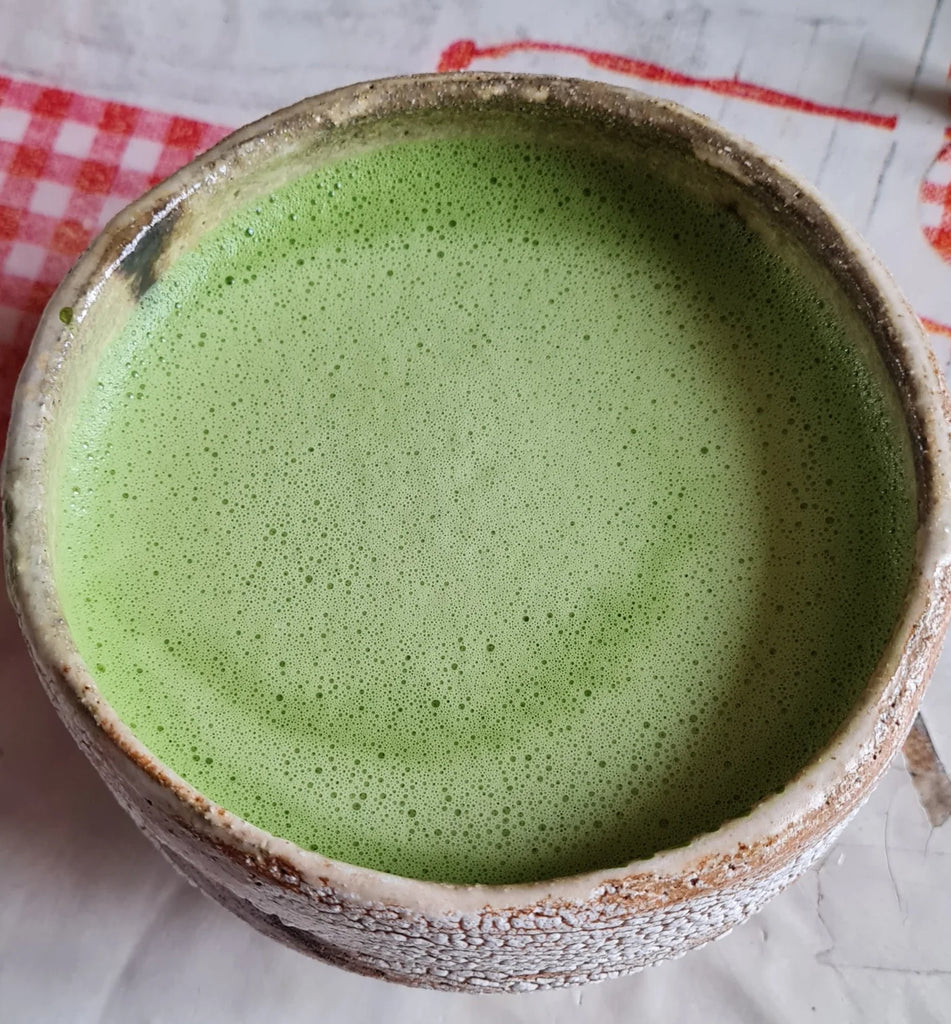
But there is one specific type of green tea that is often considered a superfood: matcha.
This is Japanese green tea reduced to a fine emerald green powder. What makes it special? By allowing the entire tea leaves to be consumed, matcha tea contains many more benefits than a simple infusion of classic green tea: it contains up to 137 times more antioxidants!
In addition, it helps maintain healthy blood lipids and cholesterol levels and contributes to better heart health.


