


- Pure matcha is a natural weight-loss ally: catechins, caffeine, L-theanine and fiber.
- Matcha Slim contains only 2.9% matcha extract, bulked out with additives (maltodextrin, sucralose, lactose).
- No origin information or organic certification for Matcha Slim, unlike authentic Japanese matcha.
- Kumiko pure matcha is free of added sugar, certified organic, with bold umami and a vibrant green color.
- For real benefits, choose pure matcha over a processed supplement.

If you are looking for the best product to support weight loss, you have probably read that matcha tea can help maintain a healthy weight and boost your metabolism.
Among the trending weight-loss products is the Matcha Slim brand.
But what about its real weight-loss action? What is the difference between Matcha Slim and true matcha tea?
In this article, we take a detailed look at the composition of Matcha Slim, its differences from true matcha tea, and give you advice on choosing a quality product.
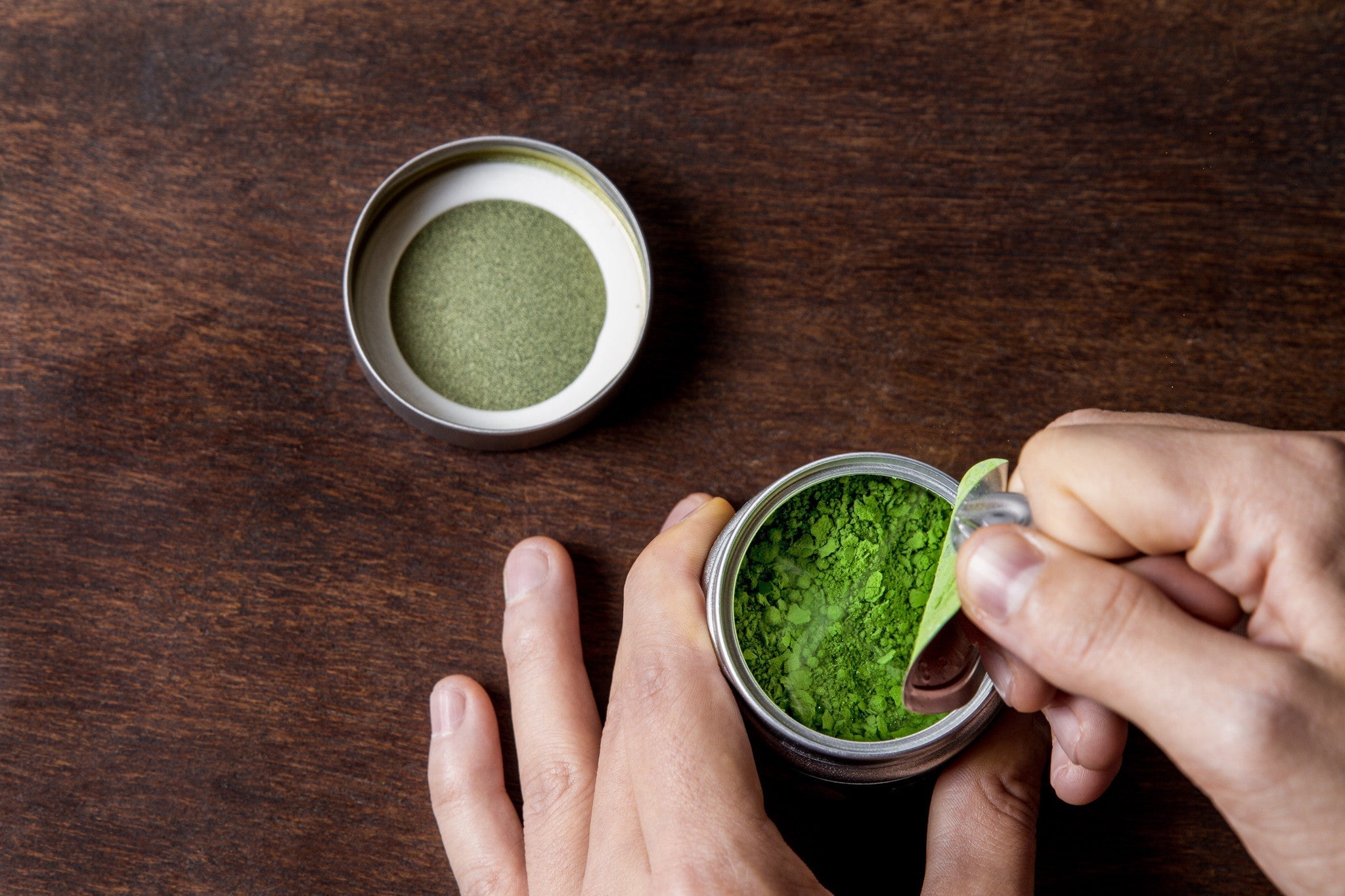
Why choose matcha for weight loss? 🌿
The matcha tea is a natural weight-loss ally. Its composition, rich in catechins, caffeine, L-theanine and fiber, helps to:
-
Boost thermogenesis, to burn more calories at rest,
-
Reduce appetite and cravings,
-
Promote stable energy, with no spikes or crashes,
It is precisely on these benefits that products like Matcha Slim base their weight-loss promise — but not all matchas are equal.
What is Matcha Slim?
Matcha Slim comes in the form of a powder to be diluted in water or another drink. It is sold as a weight-loss supplement based on matcha tea, claimed to promote:
-
weight loss,
-
physical energy,
-
and mental balance.
But on closer inspection, the composition of Matcha Slim raises several questions.
Matcha Slim composition: what does it really contain?
Contrary to what its name suggests, Matcha Slim contains only 2.9% matcha tea extract. It is not pure powder from tencha tea leaves, but an extract, which greatly reduces its potential benefits.
In addition, the Matcha Slim formulation contains:
-
maltodextrin (a high glycemic index sugar),
-
sucralose (an artificial sweetener),
-
lactose, which makes it unsuitable for a vegan or lactose-free diet.
This runs counter to the healthy image conveyed by traditional matcha.
Matcha Slim vs authentic matcha tea: what are the key differences?
Although Matcha Slim presents itself as a matcha-tea-based weight-loss alternative, there are major differences between this processed product and pure Japanese matcha. Here are the essential points to compare in order to make an informed choice.
1. Matcha content: powder or just an extract?
Not all matcha-based products are equal, especially in terms of their actual tea leaf concentration.
-
Matcha Slim: contains only 2.9% matcha tea extract, a by-product obtained from the leaf that retains only part of the nutrients.
-
Authentic matcha (e.g. Kumiko Matcha): made of 100% stone-ground tencha leaf powder, rich in antioxidants, L-theanine and chlorophyll.
2. Product origin: transparency or total obscurity?
The origin of matcha plays a crucial role in its quality, but it is not always clearly stated.
-
Matcha Slim: no information on where the matcha comes from — it is impossible to know where or how it was grown.
-
Authentic matcha: from Japanese artisanal farms located in renowned regions such as Uji or Nishio, with full traceability.
3. Organic certifications: guarantees or mere promises?
Organic labels are a mark of quality, but not all products display them.
-
Matcha Slim: despite marketing centered on being “natural”, the product is not certified organic.
-
Authentic matcha: often doubly certified organic (JAS in Japan, Euro-leaf in Europe), guaranteeing a matcha free from pesticides and chemical inputs.
4. Ingredients and additives: natural or processed?
It is important to read the ingredient list: some products contain far more than just matcha.
-
Matcha Slim:
-
Maltodextrin (a high-GI sugar),
-
Sucralose (an artificial sweetener),
-
Lactose (a dairy product not recommended for people with intolerances and for vegans).
-
-
Authentic matcha:
-
No added sugar,
-
No additives,
-
No dairy products or preservatives,
-
Suitable for vegans and people with lactose intolerance.
-
5. Taste and texture: natural or masked by flavorings?
The taste of matcha instantly reveals its quality. It should be delicate, smooth and vegetal, without excessive bitterness.
-
Matcha Slim: the presence of sugars and sweeteners masks the natural taste of matcha, which is barely there to begin with.
-
Authentic matcha:
-
A rich, umami aroma,
-
Vibrant green color, proof of freshness,
-
A fine, silky texture, easy to mix and enjoy.
-
In short, our verdict on Matcha Slim
Although Matcha Slim trades on the healthy image of matcha, its composition reflects neither the quality nor the richness of authentic Japanese matcha tea. Between the additives, the low matcha percentage, the lack of traceability and the absence of organic certification, it falls short of the standards of a healthy, natural product.
| Points of comparison | Matcha Slim | Kumiko Matcha |
|---|---|---|
| Matcha content | Matcha tea extract (2.9%) | Authentic tencha tea powder, pure matcha (100%) |
| Origin | Unknown | Japan |
| Organic farming | No certification | Certified organic (JAS, Euro-leaf) |
| Tea quality | Unknown | Premium: Organic premium / Organic ultra premium / Organic hyper premium |
| Sugar content | 30g / 100g | 0 g |
| Suitable for vegans/gluten-free | No / Yes | Yes / Yes |

To also read the matcha tea consumer reviews, follow the link.
Kumiko Matcha: the best organic matcha tea from Japan
At Kumiko Matcha, we offer an organic matcha green tea of Japanese origin, sourced from environmentally conscious artisanal farms.
Rich in antioxidants and nutrients, our matcha naturally contributes to your well-being, while allowing you to enjoy all the benefits of green tea.
Whether enjoyed as a drink, an energizing smoothie or in baking, it is easy to prepare with our traditional bamboo accessories.
Natural, pure and free of added sugars, it is also a weight-loss ally that is both healthy and sustainable.
Try our best premium organic matcha tea and discover the true taste of Japan.
FAQ – About Matcha Slim
Does Matcha Slim offer good value for money?
Despite a Matcha Slim price often around €49/100 g, since it contains only 2.9% matcha, you are essentially paying for additives and fillers, not quality matcha. In the end, pure premium Japanese matcha offers far better nutritional and taste quality for a comparable price.
Is Matcha Slim beneficial for weight loss?
Customer testimonials giving their opinion on Matcha Slim suggest weight losses that are often anecdotal (5 to 15 kg), but no solid scientific evidence confirms its effectiveness. The product may deliver temporary results, but its sugary ingredients and low matcha content limit its real potential.
Where can you buy Matcha Slim?
Matcha Slim is not available in pharmacies, drugstores or supermarkets in France. You have to turn to the official website, which raises questions about traceability and purchase security.


